
Life Science
From the smallest microbe to the largest mammal, Life Science explores the origins, evolution and expansion of life in all its forms. Explore a wide range of topics from biology to genetics and evolution.

Why do people sing in the shower?

10 Bizarre Treatments Doctors Used to Think Were Legit

Ancient Egyptian Pregnancy Test Survived Millennia Because It Worked

Can You Crack This Nuts Quiz?

The Science Behind Your Cat's Catnip Craze

Corpse Flower: When Nature Deceives

Hypertonic vs. Hypotonic Solutions: Differences and Uses

Your Phone Is a Germ Factory, So Stop Taking It to the Toilet

Why Even Identical Twins Have Different Fingerprints

Howstuffworks Interviews: Extinction Level Events with Annalee Newitz

What will the Earth look like in 50,000 years?

How did language evolve?

The Tallest People in the World Share These Curious Qualities

Who’s Your Daddy? The History of Paternity Testing

What are the likely outcomes of mankind's new knowledge of the human genome?

Differences Between Pet Training and Animal Conditioning

What Is Shadow Work and How Does It, Well, Work?

Why can't we remember being babies?
Learn More

According to the Centers for Disease Control and Prevention, the average height in the United States is 5 feet, 9 inches (1.75 meters) for adult men and 5 feet, 3.5 inches (1.61 meters) for adult women. But some people can reach heights upwards of 7 or 8 feet (2.1 to 2.4 meters)!
By Sascha Bos

People talk to their pets every day: offering praise when they’re good, reassurance when they’re confused and affection when they’re cuddling. We also speak to animals when they misbehave. “Why did you do that?” someone might ask their dog. Or we might scold the cat – “Don’t touch that!” – as we move a family heirloom across the room.
By Jon Garthoff

In science, people commonly use the terms "hypertonic" and "hypotonic" when describing the concentration of solute particles in solutions. But what exactly is the difference when it comes to hypertonic vs. hypotonic solutions?
By Marie Look
Advertisement

You might have seen the TikTok trend and wondered, what is shadow work? Learning how to practice this form of self-reflection can improve your relationships.

A friend may joke that he remembers going through a long, dark tunnel into a blinding white light – and being hit on the bottom by a doctor. But in general, most people don't remember being born or learning to walk. Why is that?

Your phone might look clean, but in reality, it's harboring germs, viruses and bacteria. So stop doomscrolling in the bathroom.

It's kind of amazing that no two fingerprints are alike, not even for identical twins! But why is that?
By Alia Hoyt
Advertisement
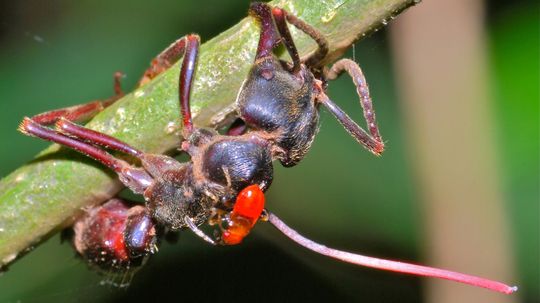
The Ophiocordyceps unilateralis fungus makes a mockery of ant free will. But how does it take over the ant body to control its host?

Time to get nutty! How much do you know about all of the different types of nuts out there? Take this quiz and find out!
By Alia Hoyt

For what looks like a big old lump of putty, the human brain is a truly incredible thing. Think of it as the body's mission control center. Find out how much of a brainiac you are with our quiz.
By Alia Hoyt

Before the widespread use of DNA, establishing the paternity of a child was a tricky business. Ever heard of the oscillophore?
By Dave Roos
Advertisement

Researchers are studying the chemistry behind what makes cats go crazy for catnip. And whether or not the chemical compound could have medicinal benefits for treating diseases like cancer.
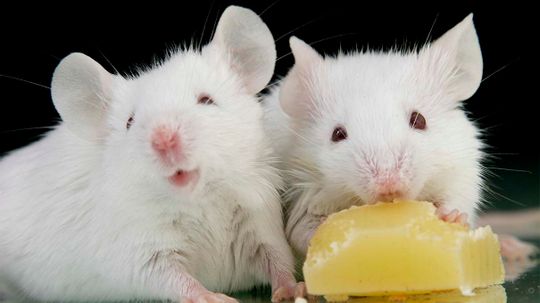
Could manipulating the human brain's desire for sweet foods lead to new weight control methods and better treatments for eating disorders?

Wouldn't keeping quiet help us get away from whatever's scaring us? What's the science behind the weird face and raw shout?

What's the science behind fainting at the sight of blood? This BrainStuff video takes a look at the brain's internal toggle switch making some people hit the floor.
Advertisement
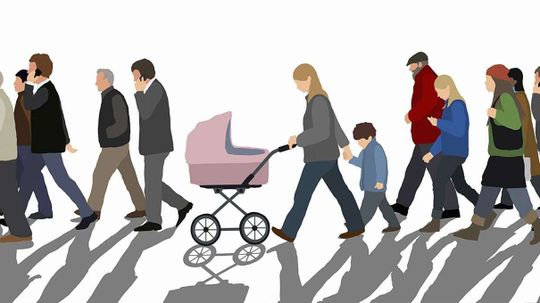
New studies suggests your gait may be able to predict something deeper than just a temporary mood.
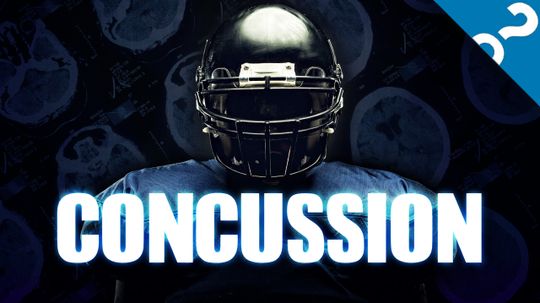
What does it feel like to get a concussion? What are the mental and physical effects of this injury? And how can we best diagnose and treat them in the future?

Author Annalee Newitz (Gawker Media's Gizmodo editor-in-chief) talks to us about Earth's 5 mass extinctions, as well as the possibility that we live in one right now.
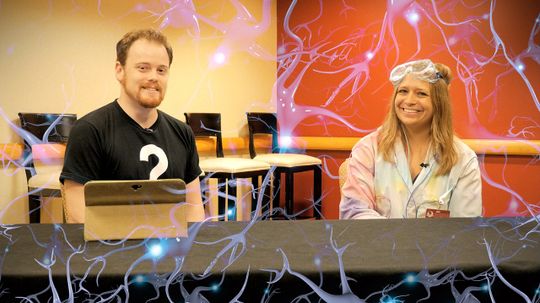
Christian Sager interviews Dr. Jennifer Watson on how parts of the brain affect why we are the way we are. Learn more about your physiological personality in this interview from HowStuffWorks. Music: Land on the Golden Gate - by: Chris Zabriskie
Advertisement
Intelligence tests are not often accurate measures of intelligence. Learn more about intelligence tests and some of the more inaccurate ones in this video from HowStuffWorks.

Jack Black does it. Wyclef Jean does it. And chances are, you do it, too. Everyone's a rock star in the bathroom. And there's a scientific explanation behind our soapy musical stylings.
By Debra Ronca

From tobacco smoke enemas to whirling chairs, doctors have tried almost everything to cure human disease.

Worried that we're running out of effective antibiotics? Never fear. Scientists are plundering cockroach brains and other surprising sources to create new lifesaving medications.
Advertisement

Is there any truth to the stereotype of the mad scientist? Turns out there is a link between high IQs and mental illness. Researchers are still not sure why.

Lots of Americans believe that getting the flu is no worse than getting a cold. Or that the flu vaccine can give them flu. We separate truth from fiction.